Rutile grinding equipment selection and capacity
2025-12-05 00:56:43
In the demanding world of industrial minerals processing, rutile stands out as a critical material, prized for its high titanium dioxide content and applications ranging from pigments to welding rods. Selecting the optimal grinding equipment is not merely a purchase decision; it is a strategic choice that dictates production efficiency, product quality, and long-term operational economics. At Shanghai Zenith Machinery, with our global footprint spanning over 180 countries and decades of engineering expertise, we understand that the 'one-size-fits-all' approach is obsolete. The ideal solution hinges on a precise alignment between your target fineness, required throughput, and the unique physical characteristics of your rutile feedstock.
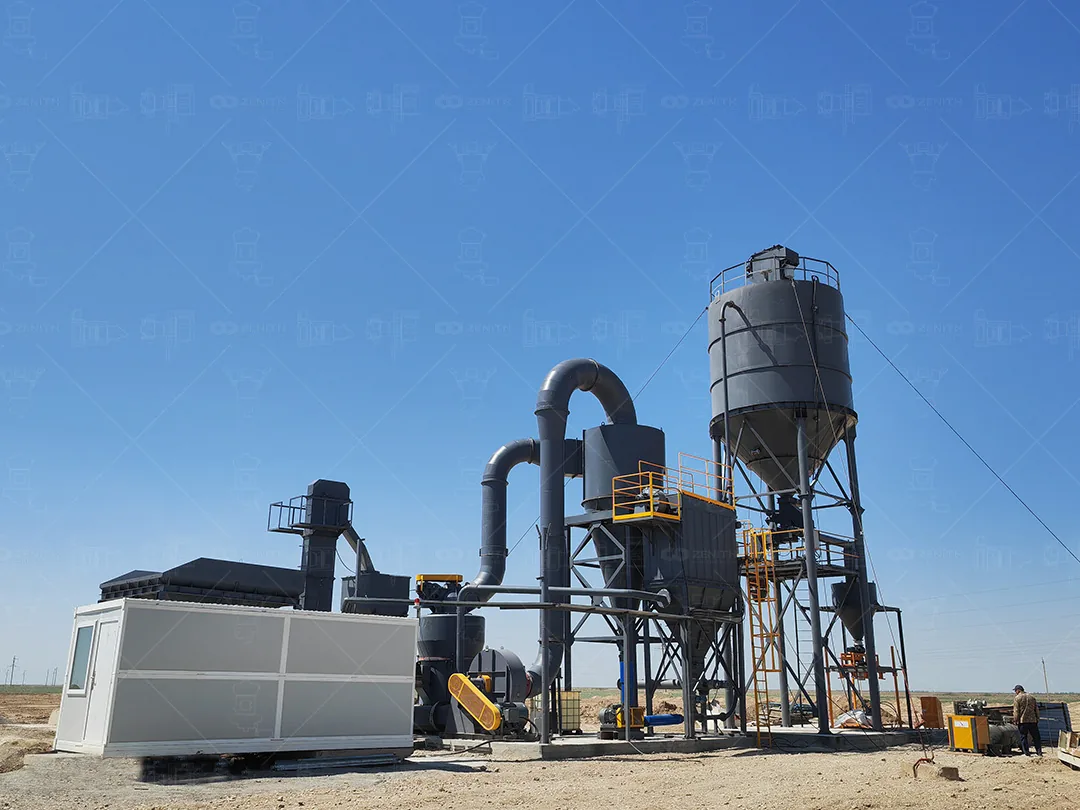
Rutile processing typically targets a spectrum from fine (80-400 mesh) to ultrafine and even micro-powder grades (up to 3250 mesh). Each segment demands specific grinding technologies. For high-volume production of fine rutile powder in the 80-400 mesh range, our MTW European Trapezium Mill and MTM European Trapezium Mill are industry workhorses. These mills are engineered for stability and efficiency. A key advantage is their integrated system design, which translates to a compact footprint and significantly lower civil investment. More critically, they offer energy savings of over 60% compared to traditional ball mills of the same capacity grade. The modular impeller adjustment allows for quick shifts in product fineness without major downtime, a vital feature for producers serving multiple market specifications.
_1764867403464.jpg)
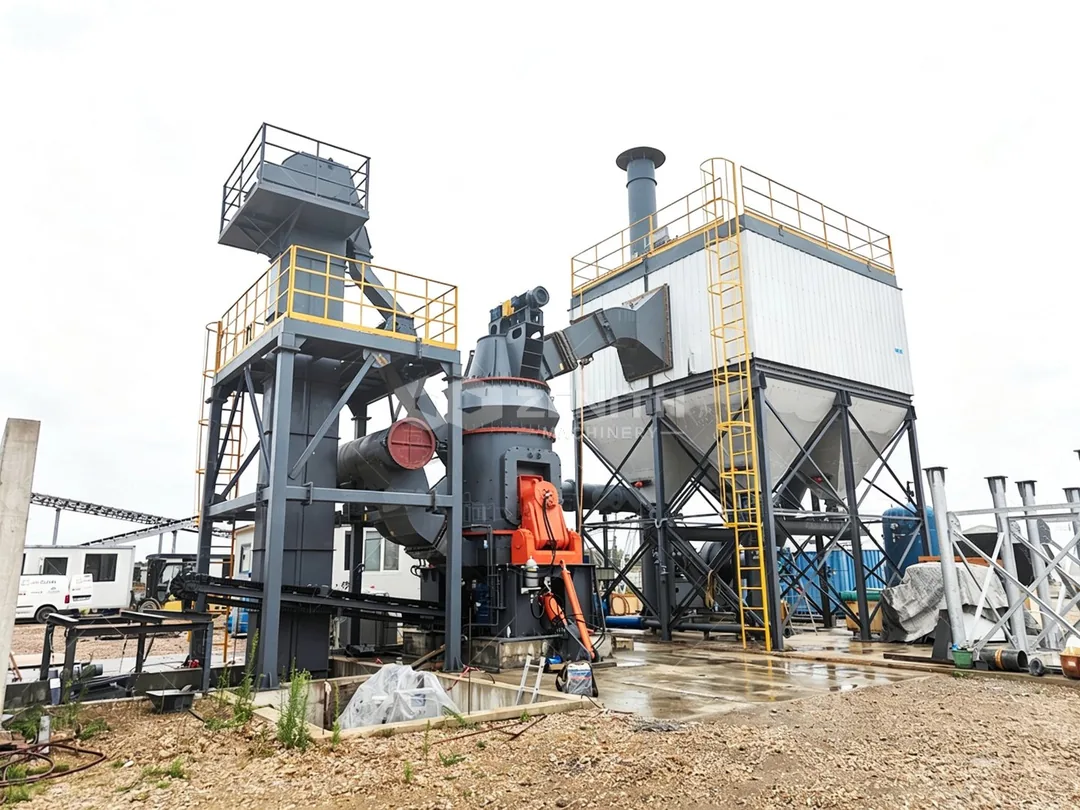
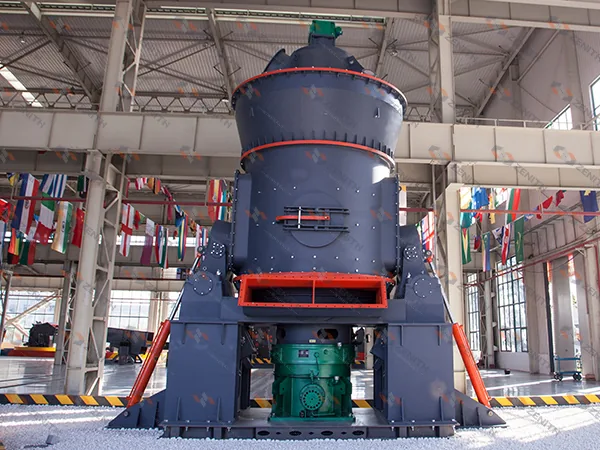
When the project scope calls for massive, continuous operation—think large-scale mineral powder plants—the LM Vertical Grinding Mill emerges as the premier choice. Its capacity range of 3-340 T/H is unmatched in vertical roller mill technology. The fully automated control system enables 24/7 operation with minimal supervision, ensuring consistent product quality. For rutile, where purity and whiteness are paramount, the LM mill's ability to control iron contamination and chemical composition through its efficient grinding and separation process is a decisive benefit. Its sealed, negative-pressure operation also guarantees an environmentally clean workspace, a non-negotiable standard in modern mineral processing.
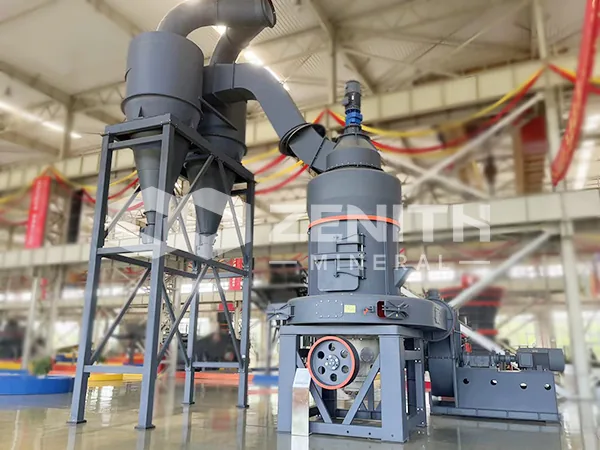
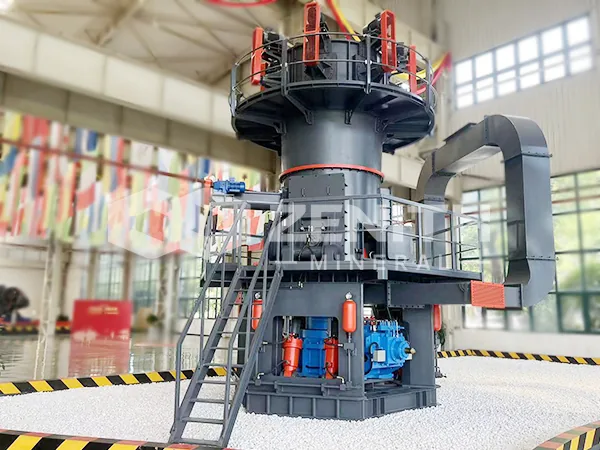
The pursuit of ultra-high-value rutile products, such as those used in premium pigments or advanced ceramics requiring fineness from 325 to 3250 mesh, necessitates specialized ultrafine grinding technology. Here, Zenith offers two powerful solutions. The LUM Ultrafine Vertical Grinding Mill integrates German powder separating technology for exceptional classification sharpness. It is the go-to equipment for producing high-purity, ultrafine rutile with precise particle size distribution, while reducing energy consumption by 30-50% compared to conventional mills. Alternatively, the XZM Ultrafine Grinding Mill provides remarkable flexibility, allowing arbitrary fineness adjustment between 325 and 2500 mesh directly from its control panel. Its simple internal structure minimizes failure points and makes maintenance straightforward, maximizing uptime for specialty powder production.
_1764867403467.jpg)
It is crucial to consider the entire size reduction chain. For initial size reduction of raw rutile ore to a manageable 0-3mm coarse powder, the HM Series Hammer Mill provides an efficient and robust solution with high grinding ratio and stable output, forming a perfect pre-grinding stage. For traditionalists or applications where wet grinding is preferred, our Ball Mill and Mining Ball Mill series offer proven reliability, strong material adaptability, and high crushing ratios for a wide range of output sizes.
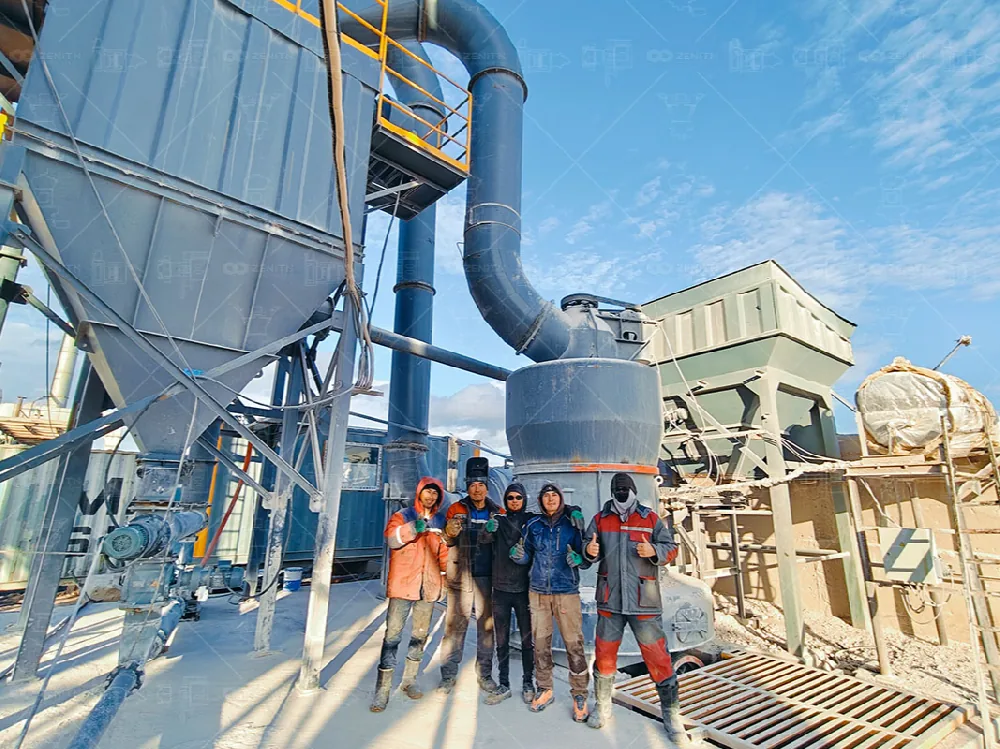
Ultimately, capacity planning cannot be divorced from technology selection. A mill operating at 70% of its optimal capacity is often more efficient and cost-effective than one running at 110%. Our engineers leverage deep application knowledge to match your projected tonnage and growth plans with equipment that offers headroom without wasteful oversizing. Every Zenith mill, from the MTW to the LUM, carries ISO, CE, and CU-TR certifications, providing a universal assurance of quality, safety, and performance. We don't just sell machines; we deliver integrated grinding systems backed by a global support network ready to ensure your rutile processing operation achieves its full potential.
_1764867403477.jpg)
Frequently Asked Questions (FAQs)
- What is the primary factor in choosing between the MTW and MTM Trapezium Mills for rutile?
While both excel in the 80-400 mesh range, the MTW series incorporates later design enhancements for slightly higher induced air efficiency (85%) and may offer better performance consistency for very fine grades within that spectrum. The MTM remains a highly reliable and cost-effective solution with a long track record. - Can the LM Vertical Mill handle the abrasive nature of rutile?
Yes. The LM Vertical Mill is designed with wear-resistant materials for grinding components. Its operating principle involving a material bed cushion between rollers and disc also reduces direct metal-to-mineral abrasion, making it suitable for moderately abrasive materials like rutile. - What is the key difference between LUM and XZM for ultrafine rutile powder?
The LUM is a vertical roller mill ideal for high-volume, continuous ultrafine production with superior classification efficiency. The XZM is often favored for its exceptional flexibility in on-the-fly fineness adjustment and simpler mechanical structure, which can mean easier maintenance for complex ultrafine grades. - How does Zenith equipment ensure consistent powder fineness?
Our mills feature advanced integral powder classifiers (like in MTW, LM, LUM) or standalone systems (in XZM). These classifiers use adjustable impellers or rotors to precisely separate particles, ensuring only product meeting the target size leaves the grinding cycle. - Is a pre-grinding stage necessary before using an ultrafine mill?
Almost always. Equipment like the Hammer Mill or a jaw crusher is used to reduce raw rutile to a small, uniform feed size (e.g., 0-10mm for LUM, 0-20mm for XZM). This protects the precision grinding mechanics of ultrafine mills and optimizes their energy efficiency and throughput. - What are the main advantages of your mills over traditional ball mills for rutile?
The core advantages are significantly lower energy consumption (up to 60-70% savings), a smaller footprint, higher degree of automation, better control over product purity (less iron contamination), and drier operation, which is often preferable for rutile. - Do you provide testing services for rutile ore samples?
Yes. Zenith strongly recommends and offers pilot-scale testing in our technical centers. This allows us to determine the optimal mill type, model, and operating parameters based on your specific ore's grindability, moisture, and target product specs, de-risking your investment.