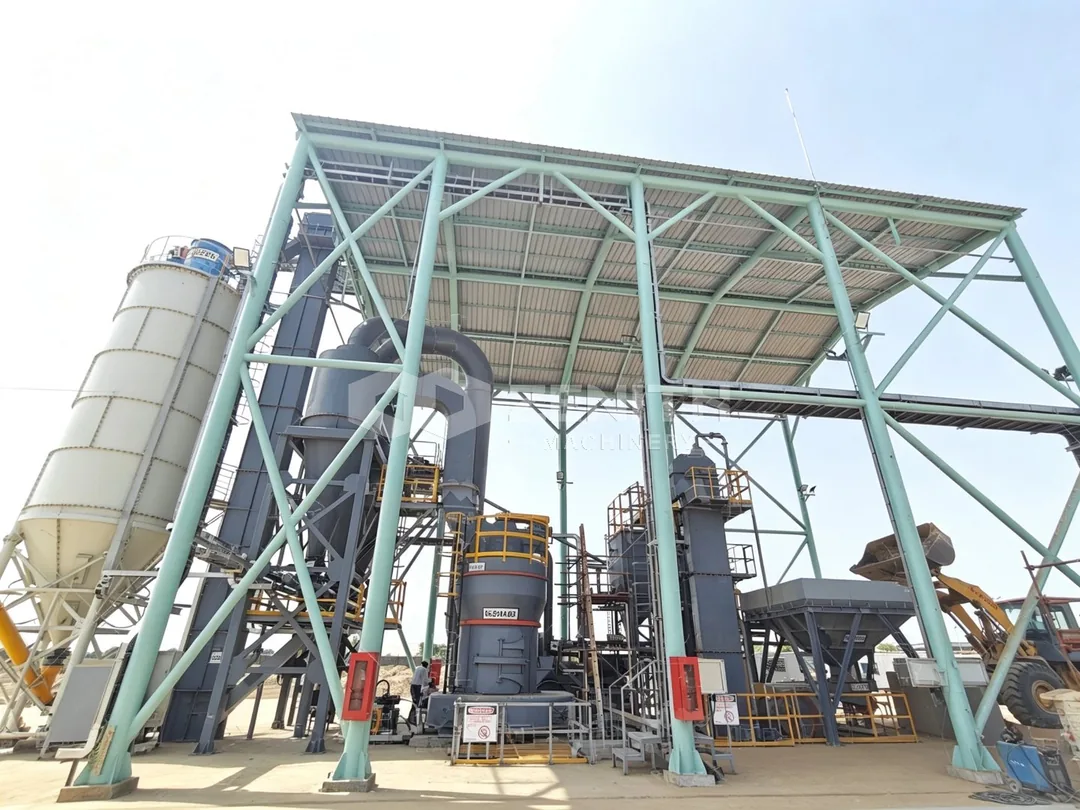
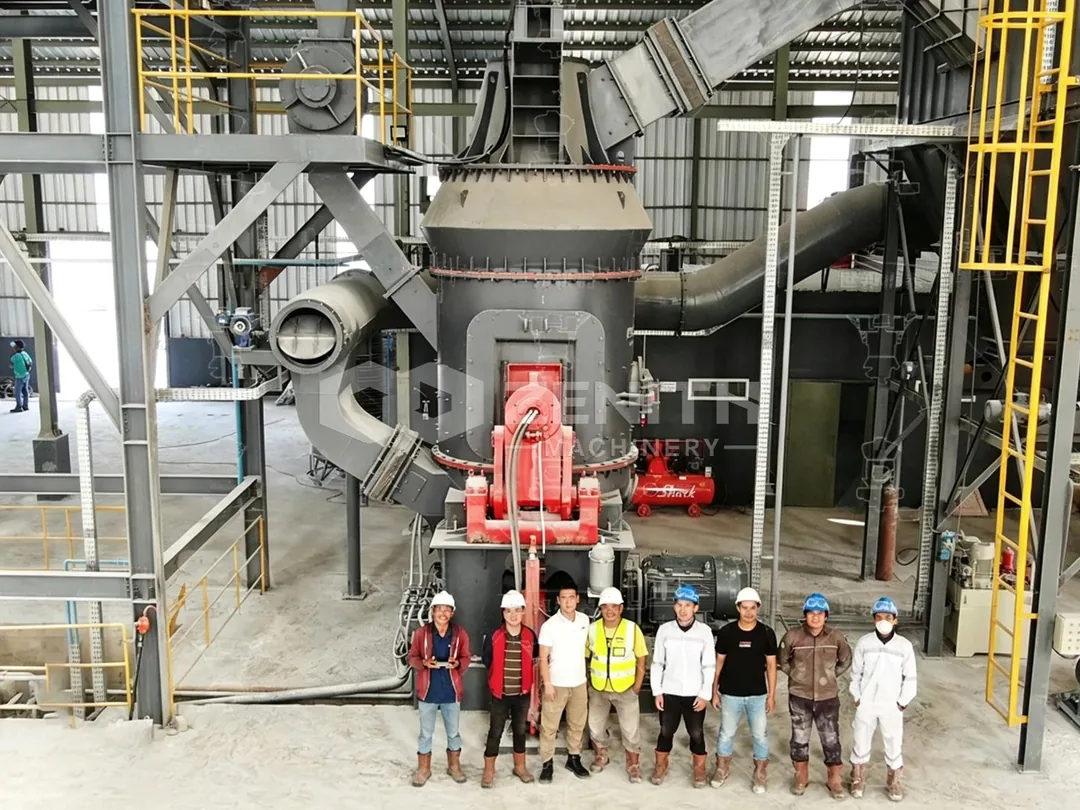
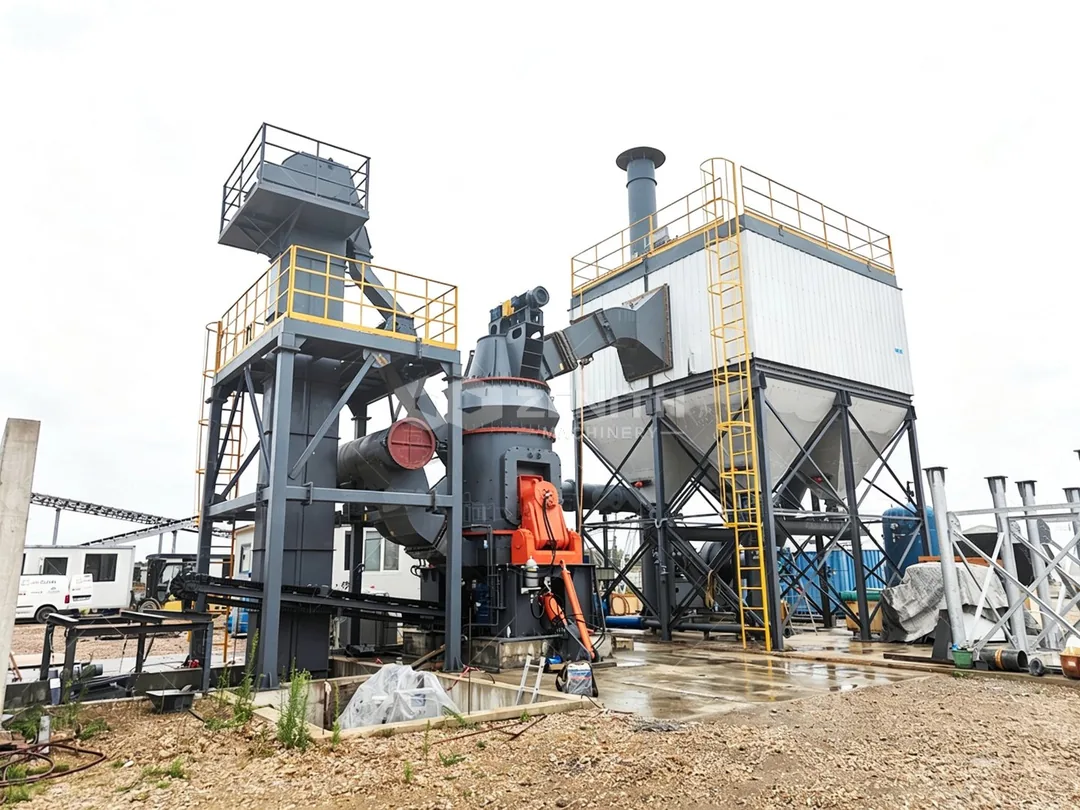
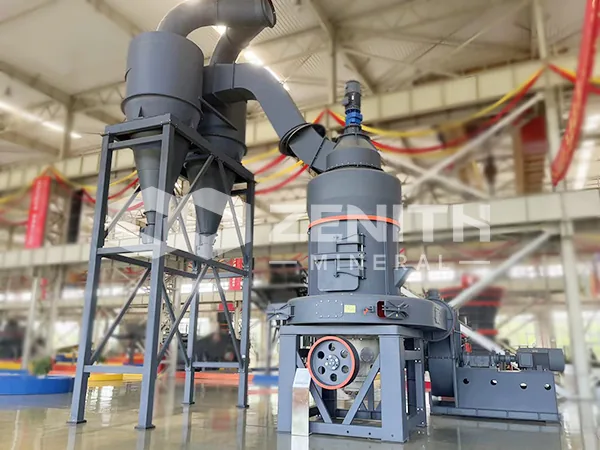
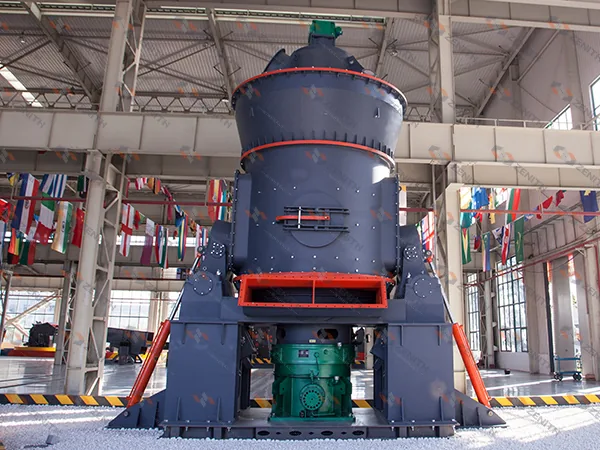
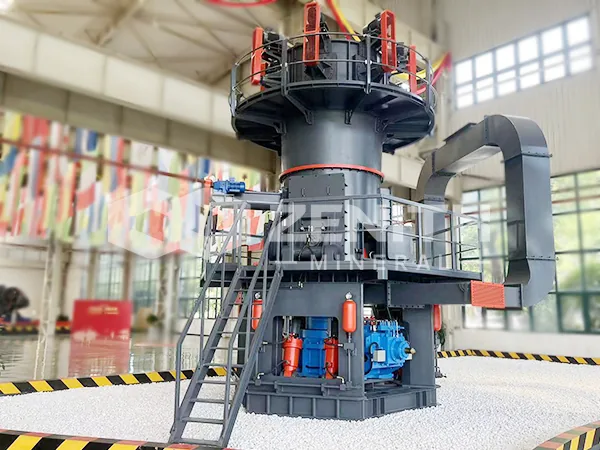
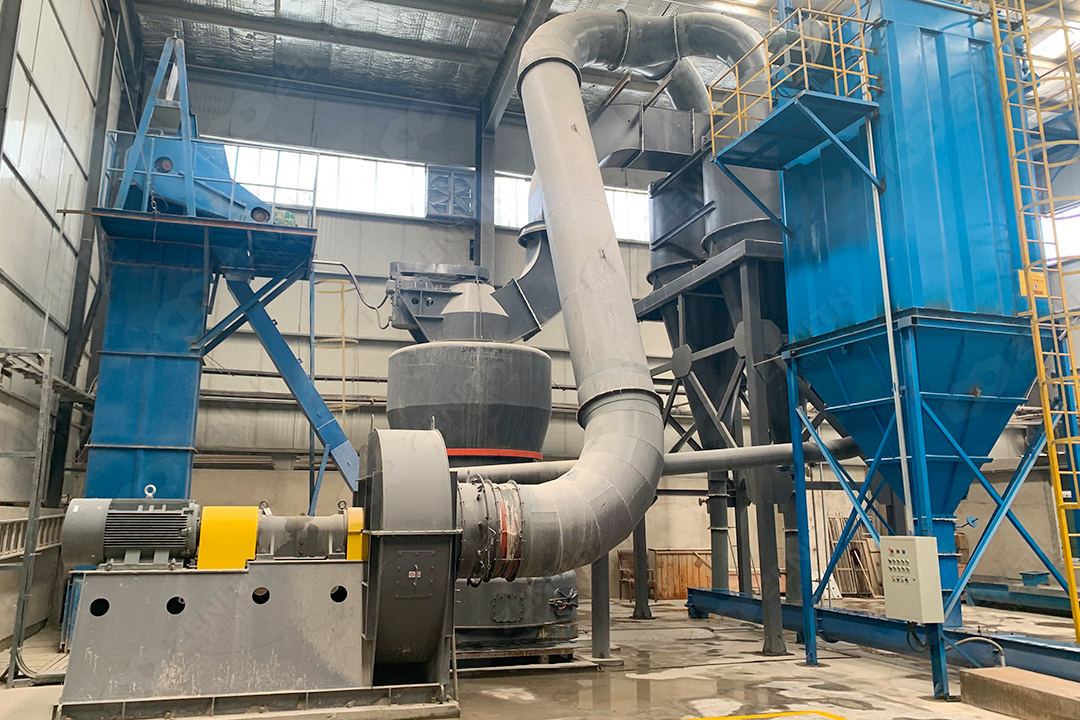
Hydraulic regulating barite grinding mill schematic diagram
2025-11-06 08:36:58
Hydraulic Regulating Barite Grinding Mill Schematic Diagram: A Comprehensive Technical Analysis
Introduction to Advanced Barite Processing Technology
Barite, a mineral composed of barium sulfate, requires precise grinding technology to achieve the particle size distribution necessary for various industrial applications. Shanghai Zenith Machinery Co., Ltd. has developed sophisticated hydraulic regulating grinding mills specifically engineered for barite processing. These advanced systems combine mechanical precision with hydraulic intelligence to deliver unparalleled performance in mineral powder production.
The schematic diagram of our hydraulic regulating barite grinding mill reveals a sophisticated integration of mechanical components, hydraulic systems, and automated controls. This comprehensive engineering approach ensures optimal particle size distribution, energy efficiency, and operational reliability for barite processing operations worldwide.
Core Components and Hydraulic System Architecture
At the heart of our hydraulic regulating system lies a precision-engineered grinding chamber where the actual size reduction occurs. The schematic illustrates how the hydraulic system controls the grinding pressure between the rollers and the grinding table, allowing real-time adjustment during operation. This dynamic pressure control enables operators to maintain consistent product quality despite variations in feed material characteristics.
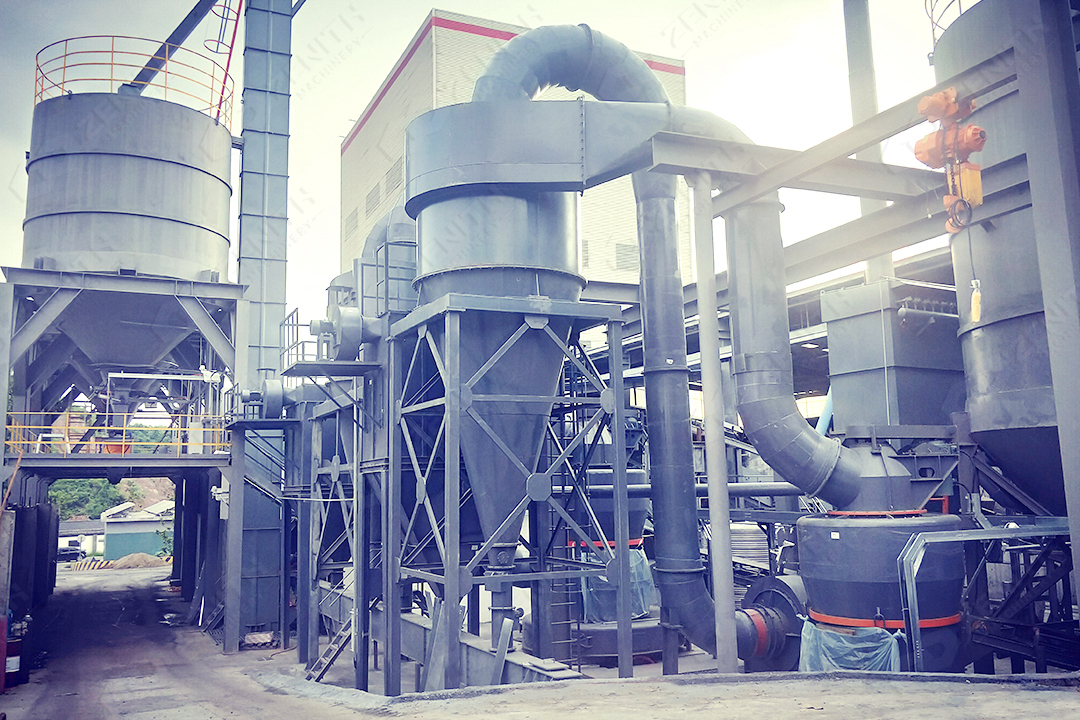
The hydraulic system comprises multiple interconnected components: hydraulic cylinders, accumulator units, pressure sensors, and control valves. These elements work in harmony to apply precisely calibrated pressure to the grinding rollers, ensuring optimal contact with the material bed. The system maintains constant grinding pressure regardless of wear on grinding components, thereby guaranteeing consistent product fineness throughout the equipment's service life.
Technical Specifications and Performance Metrics
Our hydraulic regulating barite grinding mills demonstrate exceptional performance across multiple parameters. With capacity ranges from 3-340 T/H depending on the specific model, these mills can process input materials up to 70mm in size and produce finished powders ranging from coarse 3mm particles to ultra-fine 3250 mesh specifications.
The energy efficiency of these systems represents a significant advancement in grinding technology. Comparative analysis demonstrates that our hydraulic regulating mills consume up to 60% less energy than traditional ball mills of equivalent capacity. This efficiency gain translates directly to reduced operating costs and lower environmental impact.
Material Flow and Classification System
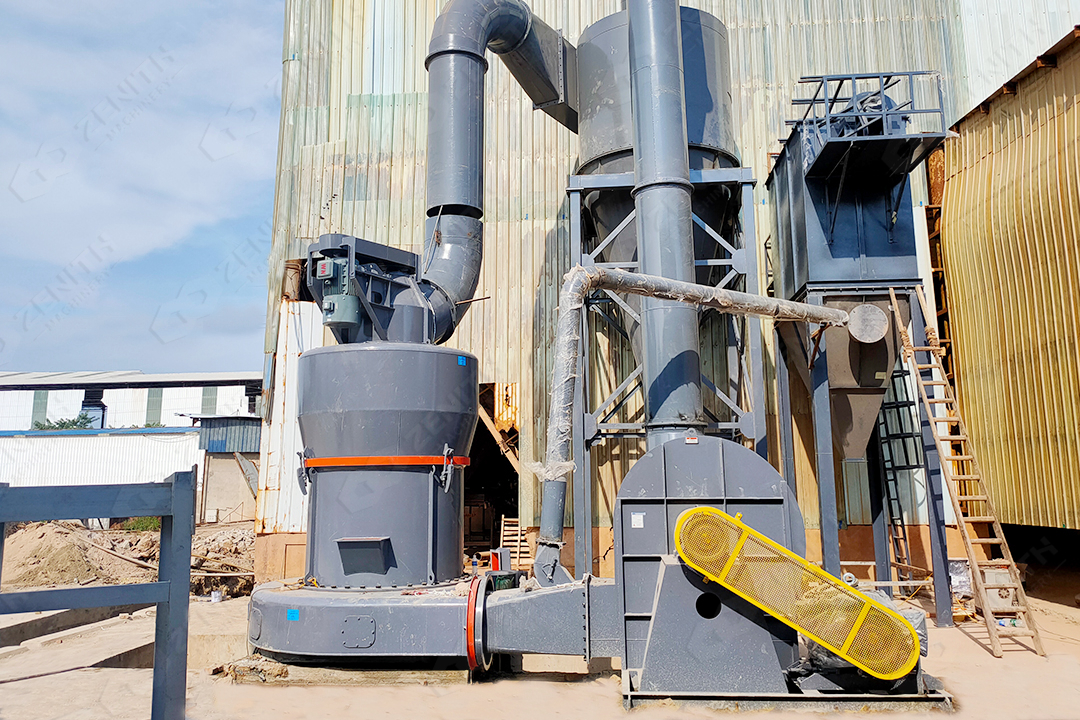
The schematic diagram clearly illustrates the material pathway through the grinding system. Raw barite enters through the feed inlet and is distributed evenly across the rotating grinding table. Centrifugal force moves the material outward where it encounters the hydraulically-controlled grinding rollers. The crushed material then enters the integrated air classification system, where precise particle separation occurs.
Our advanced classification technology ensures that only properly sized particles proceed to the final collection system, while oversized material recirculates for additional grinding. This closed-loop system maximizes efficiency and guarantees consistent product quality. The hydraulic regulation system continuously monitors and adjusts the classification process, responding dynamically to changes in material characteristics.
Automation and Control Systems
Modern barite processing demands sophisticated control systems, and our hydraulic regulating mills deliver comprehensive automation capabilities. The control system integrates multiple sensor inputs, including pressure monitors, temperature sensors, vibration detectors, and particle size analyzers. This data feeds into an advanced PLC that continuously optimizes mill performance.
Operators can monitor and adjust critical parameters through an intuitive human-machine interface. The system provides real-time visualization of the grinding process, including hydraulic pressure profiles, material flow rates, and energy consumption metrics. Automated alerts notify operators of any deviations from optimal operating conditions, enabling proactive maintenance and minimizing downtime.
Environmental Considerations and Dust Control
The schematic diagram highlights the comprehensive dust control system integrated into our hydraulic regulating mills. The entire grinding chamber operates under negative pressure, preventing dust emissions and ensuring a clean working environment. Multiple filtration stages, including cyclone separators and pulse-jet bag filters, capture fine particles with efficiency exceeding 99.9%.
This environmental focus extends to noise reduction, with specially designed acoustic insulation minimizing operational sound levels. The hydraulic system itself contributes to quieter operation by eliminating metal-to-metal contact through precise pressure control. These features combine to create a grinding solution that meets the most stringent international environmental standards.
Maintenance and Serviceability Features
The hydraulic regulating system incorporates numerous features designed to simplify maintenance and extend equipment lifespan. The schematic shows how grinding rollers can be easily accessed for inspection or replacement without dismantling the entire mill structure. The hydraulic system allows rollers to be retracted completely from the grinding table, facilitating maintenance activities.
Advanced diagnostic capabilities built into the control system monitor component wear and predict maintenance requirements. The hydraulic system automatically compensates for roller wear, maintaining consistent performance throughout the component's service life. These features significantly reduce maintenance downtime and lower the total cost of ownership.
Global Applications and Industry Certifications
Shanghai Zenith's hydraulic regulating barite grinding mills have been deployed across multiple continents, serving diverse industries including oil and gas drilling, chemical manufacturing, paint production, and construction materials. Our equipment holds ISO international quality system certification, European Union CE certification, and Customs Union CU-TR certification, validating their compliance with international standards.
The versatility of these mills allows processing of various barite grades and specifications to meet regional market requirements. From coarse grinding for drilling mud applications to ultra-fine powders for high-value industrial uses, our hydraulic regulating technology delivers consistent results across the entire particle size spectrum.
Future Developments and Technological Advancements
Continuous improvement drives our engineering philosophy, and current research focuses on enhancing the intelligence of our hydraulic regulating systems. Developments in progress include artificial intelligence algorithms for predictive optimization, advanced wear-resistant materials for extended component life, and integration with Industry 4.0 platforms for seamless plant-wide automation.
These advancements will further improve energy efficiency, reduce operational costs, and enhance product quality consistency. The fundamental hydraulic regulating principle established in our current designs provides a robust platform for incorporating these future technologies while maintaining compatibility with existing installations.
Frequently Asked Questions
What is the typical energy consumption of a hydraulic regulating barite grinding mill?
Our hydraulic regulating mills demonstrate exceptional energy efficiency, consuming approximately 60% less energy than traditional ball mills of equivalent capacity. Specific consumption varies with product fineness and material characteristics, but generally ranges between 25-45 kWh/t for most barite grinding applications.
How does the hydraulic system maintain consistent product quality?
The hydraulic system continuously monitors and adjusts grinding pressure in real-time, compensating for variations in feed material and component wear. This dynamic pressure control ensures consistent grinding force is applied to the material bed, resulting in uniform particle size distribution throughout operation.
What maintenance intervals are required for the hydraulic components?
Hydraulic system components typically require inspection every 2,000 operating hours, with major service recommended at 8,000-hour intervals. The sealed design minimizes contamination risk, while integrated filtration extends fluid life. Actual intervals may vary based on operating conditions and material characteristics.
Can the mill process materials other than barite?
Yes, our hydraulic regulating mills are versatile enough to process various non-metallic minerals including calcite, marble, limestone, talc, and dolomite. Minor adjustments to grinding pressure and classifier speed optimize performance for different materials while maintaining the same fundamental operating principle.
What particle size range can be achieved with this technology?
Our hydraulic regulating mills produce barite powders spanning from coarse 3mm particles to ultra-fine 3250 mesh specifications. The precise control offered by the hydraulic system enables operators to target specific particle size distributions with exceptional accuracy and consistency.
How does the system handle variations in feed material hardness?
The hydraulic system automatically adjusts grinding pressure in response to changes in material hardness detected through power consumption and pressure sensors. This adaptive control maintains optimal grinding efficiency and product quality despite fluctuations in feed material characteristics.
What safety features are incorporated into the design?
Multiple safety systems include pressure relief valves in the hydraulic circuit, mechanical stops to prevent roller-to-table contact, vibration monitoring with automatic shutdown capabilities, and comprehensive emergency stop circuits. The grinding chamber operates under negative pressure, containing dust within the system.
How long does it take to change product fineness specifications?
Product fineness adjustments can typically be accomplished within 15-30 minutes through coordinated changes to classifier speed and grinding pressure. The hydraulic system responds rapidly to control inputs, minimizing transition time between different product specifications.
What is the expected service life of grinding components?
Grinding rollers and table liners typically provide 6,000-8,000 hours of service life when processing barite, depending on material abrasiveness and operating conditions. The hydraulic system's ability to maintain optimal pressure despite component wear extends service intervals compared to mechanical spring systems.
Does the system require specialized operators?
While the technology is sophisticated, our intuitive control interface and automated systems enable operation by personnel with standard mineral processing experience. Comprehensive training and detailed documentation ensure operators can effectively manage all system functions within a short familiarization period.